This is a Gutenberg file that some of you may find of some interest.
https://www.gutenberg.org/files/46446/46446-h/46446-h.htm#Page_535
Showing posts with label tools. Show all posts
Showing posts with label tools. Show all posts
Saturday, October 27, 2018

Monday, March 5, 2018
Newly Expanded Australian Survival Forum.

The Survival Connection.
This is a survival board on our groups forum. Many of our members joined our 18th century Living History forum because they had a strong interest in survival & prepping, so we also added The Survival Connection board.This board is like a separate forum, it is not just for primitive gear & primitive skills, it covers anything & everything in regards to survival.
The Survival Connection Forum: http://neclhg.freeforums.net/board/18/survival-connection
Tuesday, October 17, 2017
The problems with some preppers today.

The problems with some preppers today.
One problem some preppers seem to have is the inability to prepare
for a variety of disasters. This is really not that hard, yet many just don’t
get it. They also have what is known as 24 hour & 72 hour bug out bags. Why
not just have a bag that will carry you through long term? How do you know it
is only going to last 24 hours?!!!
Modern gadgets are a big problem because they are promoted to look so
exciting & necessary. When in fact many if not all modern gadgets are
likely to fail or run out in the first 6 months. Then this so called prepper
will find themselves living a Paleolithic lifestyle trying to learn primitive
skills, or they will simply die.
Why don’t many preppers see the common sense in adopting sustainable
equipment & skills from the 18th or 19th centuries?
Well many treat prepping as simply a hobby, they like the idea of being
self-reliant, but in fact they don’t really expect to ever have to face a major
shtf situation. For these people it is all about going camping & using the
gadgets. If a ferocerium rod breaks or deteriorates, they simply purchase another;
in fact many carry a variety of fire lighting tools, none of which are
sustainable over a long period of time.
Modern gadgets take up room in the pack & they add weight. Once
they have become useless they are discarded, BUT, these gadgets were taking up
room in the bug-out bag where real priority items should have been stored! Now
there is neither!

Do yourself a favour, keep the life straw if you want, definitely keep
the modern medical kit. Get rid of everything else & start again. Look to
the 18th & 19th centuries for practical sustainable
equipment that will keep you alive in relative comfort in a long term
wilderness living situation, & don't forget to learn those primitive skills!
Keith.
Saturday, September 9, 2017
Bugging Out. Something to think about.

Bugging Out. Something to think about.
For the purpose of explaining things in this article, let us assume
that this shtf situation is going to last for at least 5 years. Let us also say
that bugging out in this article means not living in the city. You could be
living at a country retreat in a house, in a house somewhere out of town,
possibly even in a small town or you could be camped out in a
wilderness/country area.
1) There are many ways/choices/methods in which you could opt to
survive. One would be to go into the country/wilderness with nothing at all, in
which case you would have to make your own tools from stone, wood or bone, make
fire by a friction method, & construct a primitive shelter from wood, stone
or earth. Now this would mean a lot of hard work, & this work would be for the
most part continuous. Comforts would be at a minimum. Your defenses would be
very primitive, & your best defense would be to stay unseen; hidden from
view.

2) You could go bush carrying a lot of modern gear, some modern gear
is good, but all modern gear has its limitations & is rarely sustainable.
Two modern items that are worth considering are 1) medical supplies, which I
consider vital, & 2) a modern firearm. The modern firearm is not really
sustainable, although a .22 rimfire rifle or an air rifle would allow you to
carry quite a lot of ammunition without adding too much weight. The larger the
modern caliber, the more weight you carry & therefore the less ammo you can
afford to carry. Reloading equipment, primers & lead would add even more
weight. Modern gadgets for the most part are not sustainable or vital to your
survival. Torches, solar chargers, multi tools, compound bows, radios, walkie
talkies, satellite navigation, fuel stoves, heated gloves, night vision goggles,
cigarette lighters, matches, ferocerium rod, etc, etc, are not vital additions
to your equipment & they are not sustainable or they will add weight &
take up room in your pack that could be better served by carrying more
important vital items such as water, food, medical supplies & ammunition.
If you were to opt for carrying all modern gear that was not sustainable,
then sooner or later you could end up living a stone age lifestyle such as in
the first option of going bush with nothing.

3) You could equip yourself with sustainable equipment that will not
run down, break or wear out. This type of equipment is dated, by that I mean it
is hundreds of years old in its function & technology. Your comfort will
not be the same as lying on an inflatable bed in a tent cocooned in a sleeping
bag, but there would be a certain amount of comfort that can be
maintained/sustained! Flint & steel fire lighting will mean that you are
never without fire. Your tools are unlikely to break if you look after them. The
moccasins on your feet can be repaired by yourself & even replaced when
needs be. A long bow or a muzzle-loading flintlock will supply your meat as
well as the traps you have made to set up your trap line. In short you will have a more comfortable
lifestyle than the stone age option.
Put some serious thought into the gear that you choose, if you do not
have the experience, then use your imagination! Some people say that you cannot
learn anything worthwhile from watching movies, I disagree. Some old movies did
in fact foresee the future, & many modern dramas are based on real life,
based on the fact that there are bad people out there & it only needs you
to be in the wrong place at the wrong time to get yourself in a heap of
trouble!
Primitive skills are important, good equipment is vital but A) you
need to know how to use that equipment to the best of its advantage, & B)
with the skills comes knowledge & understanding.
People on forums have often commented that with all their modern
equipment, including powerful telescopic rifle sights mounted on a powerful
super accurate rifle that people like me will not live long post shtf. But what
these people fail to comprehend is that they do not have the skills that I
have, & they, unlike me are not a part of my environment. I can smell
things they don’t smell, I hear things they don’t hear, & I sense things
that they cannot.

You will not become a part of a wilderness environment overnight, it
takes time, patience, experience, & a willingness to learn. Don’t rely on
modern gadgets, rely on good proven tools & above all rely on yourself,
your abilities & your skills.
Keith.


Saturday, August 12, 2017
My Views On Carrying Modern Gadgets.

Something I posted on a UK survival forum recently after receiving so much negative feed back & comments.
Keith.
My Views On Carrying Modern Gadgets.
Okay, this is my take on the carry situation, or your Bug Out bag
contents for long term wilderness/country living.
People are for ever saying that they will rely of modern gear because it is easier to use & when it is used up or broken they will simply discard it. Many state that they carry multiple items for making fire. Maybe they do the same with other gear as well, I don't know.
Personally I have gone to a lot of research & experimentation to arrive at the best kit I can possibly carry that will last me a lifetime in the wilderness. This equipment is backed up with the skills needed to use this gear.
Now if I were to take advice from many people who advocate the carrying of modern gear & extras for insurance, then some of the items I already have in my pack would have to be taken out to (a) make room, & (b) lighten the load.
Putting it another way, when one has to discard a modern gadget, there is nothing to replace it unless you can make a primitive item to replace it. You were carrying this gadget at the expense of carrying something more suitable. You have compromised your safety & security by leaving important items out of your pack to make room for your gadgets. Does this make any sense to you?
Okay so you do know how to use a flint, steel & tinderbox & you carry one with you. You know all about plant & fungi tinders & where to find dry kindling in the pouring rain & snow. But you still want to carry a cigarette lighter, a ferocerium rod & magnesium block because? I can probably make fire faster with a tinderbox than many people can with a lighter, so why would I want to carry a lighter? I would sooner carry that extra weight & bulk in gunpowder, water, food, modern medical supplies. These items are far more important than carrying battery operated torches, magnesium blocks, ferocerium rods, cigarette lighters, plastic or tin plates, fold away solar panels, eating utensils, fuel stove, multi-tool, or the myriad of other modern gadgets that are on the market today.
A ferocerium rod is NOT a good substitute for a tinderbox. So why have one? Why are you not practicing with a real flint steel & tinderbox? If this is just a hobby for you, just a game or something you like to do when camping out, fine, I am not saying that is NOT a legitimate thing to do, but do NOT try to convince me or anyone else that this is what you should do if you seriously want to survive should it all hit the fan.
I have been doing this stuff since before it became known as prepping, I have been doing this for most of my life in all weathers. I have survived attacks from people & wild animals, I survived cyclone Tracey in 74. I have lived off grid in the bush for most of my life. I try to pass on my findings, my knowledge & my experience because I am an old man & the things that I know are rarely practiced these days. And yet I am for ever finding people getting upset by what I say & am immediately put on someone's hit list. Is it jealousy? Is it because these people were used to being top dog on the forum until I came along & upset their ratings? Or is it because I no longer live in the UK & therefore can't be considered a reliable source of information?
Yes I am out of touch with matters in the UK, I would imagine things are far worse there now than they were when I was living there. I saw my old forest & field haunts being cut down, leveled & built on. I was running out of room to "play". So I got out, came here & bought myself a forest that no one can destroy. But that does not mean that you can't take what is of use to you & discard the rest. Basic survival needs are still the same no matter where you are in the world. Even some of the plants here are the same as in the UK & other countries. Before climate change took a hold it was the same weather conditions here in New England NSW as it was in parts of the UK.
There is different equipment to suit the individual, & there is the WRONG equipment to carry. No matter how big & strong you are, no matter that you can carry a child plus your backpack, it still comes down to carrying the right gear & NOT compromising your safety. There will already be a need for some compromise when packing for a trip between two principles : minimum weight & maximum self-reliance.
Keith.
People are for ever saying that they will rely of modern gear because it is easier to use & when it is used up or broken they will simply discard it. Many state that they carry multiple items for making fire. Maybe they do the same with other gear as well, I don't know.
Personally I have gone to a lot of research & experimentation to arrive at the best kit I can possibly carry that will last me a lifetime in the wilderness. This equipment is backed up with the skills needed to use this gear.
Now if I were to take advice from many people who advocate the carrying of modern gear & extras for insurance, then some of the items I already have in my pack would have to be taken out to (a) make room, & (b) lighten the load.
Putting it another way, when one has to discard a modern gadget, there is nothing to replace it unless you can make a primitive item to replace it. You were carrying this gadget at the expense of carrying something more suitable. You have compromised your safety & security by leaving important items out of your pack to make room for your gadgets. Does this make any sense to you?
Okay so you do know how to use a flint, steel & tinderbox & you carry one with you. You know all about plant & fungi tinders & where to find dry kindling in the pouring rain & snow. But you still want to carry a cigarette lighter, a ferocerium rod & magnesium block because? I can probably make fire faster with a tinderbox than many people can with a lighter, so why would I want to carry a lighter? I would sooner carry that extra weight & bulk in gunpowder, water, food, modern medical supplies. These items are far more important than carrying battery operated torches, magnesium blocks, ferocerium rods, cigarette lighters, plastic or tin plates, fold away solar panels, eating utensils, fuel stove, multi-tool, or the myriad of other modern gadgets that are on the market today.
A ferocerium rod is NOT a good substitute for a tinderbox. So why have one? Why are you not practicing with a real flint steel & tinderbox? If this is just a hobby for you, just a game or something you like to do when camping out, fine, I am not saying that is NOT a legitimate thing to do, but do NOT try to convince me or anyone else that this is what you should do if you seriously want to survive should it all hit the fan.
I have been doing this stuff since before it became known as prepping, I have been doing this for most of my life in all weathers. I have survived attacks from people & wild animals, I survived cyclone Tracey in 74. I have lived off grid in the bush for most of my life. I try to pass on my findings, my knowledge & my experience because I am an old man & the things that I know are rarely practiced these days. And yet I am for ever finding people getting upset by what I say & am immediately put on someone's hit list. Is it jealousy? Is it because these people were used to being top dog on the forum until I came along & upset their ratings? Or is it because I no longer live in the UK & therefore can't be considered a reliable source of information?
Yes I am out of touch with matters in the UK, I would imagine things are far worse there now than they were when I was living there. I saw my old forest & field haunts being cut down, leveled & built on. I was running out of room to "play". So I got out, came here & bought myself a forest that no one can destroy. But that does not mean that you can't take what is of use to you & discard the rest. Basic survival needs are still the same no matter where you are in the world. Even some of the plants here are the same as in the UK & other countries. Before climate change took a hold it was the same weather conditions here in New England NSW as it was in parts of the UK.
There is different equipment to suit the individual, & there is the WRONG equipment to carry. No matter how big & strong you are, no matter that you can carry a child plus your backpack, it still comes down to carrying the right gear & NOT compromising your safety. There will already be a need for some compromise when packing for a trip between two principles : minimum weight & maximum self-reliance.
Keith.
Saturday, April 22, 2017
Darwin couple rescued from WA desert. What To Carry With You When Going Bush.

The Darwin couple were saved from WA's Gibson Desert. Picture: AAP
Tuesday, April 18, 2017
Personal and Family Preparedness.

Personal and Family Preparedness.
Personally I don’t see one thing as being more important than another.
There is no point in prioritising shelter if you are unable to protect &
defend. But for the purpose of this article, I will start with my home &
work my way through other priorities.
We have two dwellings, a main house & an old cottage. Both are
situated in a forest that we own. We do have fire breaks, but this winter we
will be widening those breaks because of the new threat posed by global
warming. On the main house we have two 5000 gallon cement water tanks, plus
another 1000 gallons in a polly tank for the garden. We have two fire pumps,
one on the lower cement tank, & one down at Cattail Pond. The Cattail Pond
pump can pump water up to the main house & the cottage for gardens &
fire fighting. The gardens supply us with all our vegetable needs for the house
& the chooks, but we also keep on hand a good supply of dried, bottled & canned foods. The chooks are kept mainly for eggs.
The main house & the cottage are both off grid &
self-sustainable with grey water systems & composting toilets. The cottage
has two 1000 gallon water tanks but we will be adding another larger tank soon.
Heating of both houses & hot water is provided by wood burning stoves, plus
a wood heater in the main house & a large open fire in the cottage. Cooking
of course is also done on the wood burning stoves & the forest supplies all
our firewood. 240 volt Electricity is supplied by solar panels & batteries.
We have four 4WDs, The Lada is only used on the property, but the
Hilux & Triton diesels are registered for the road, as is the X-Trail SUV.
If we ever have to leave here, the whole family can just fit in the Hilux &
the two Tritons with all our equipment. Every family member that is able to
carry has their own pack & arms. I am a primitive skills instructor & I
have passed my skills on to my three sons. Arms are a mixture of modern breech-loaders,
muzzle-loaders & traditional bows. Our equipment is all 18th
century except for medical supplies & some of the water containers. We do
not expect to have to leave our forest home as we have plenty of people &
arms to protect what we have, but we are prepared to leave if we consider it necessary.
Individual equipment is much the same for everyone with a few
exceptions including arms, types of packs, clothing. & personal items.
Equipment List:
.62 cal/20 gauge flintlock fusil. 42 inch barrel.
.70 caliber smoothbore flintlock pistol.
Gun tools and spare lock parts.
Shot pouch and contents.
Leather drawstring pouch of .60 caliber ball (in knapsack).
Powder horn.
Ball mould and swan shot mould.
5 Gunpowder wallets
Lead ladle.
Butcher/Hunting knife.
Legging knife.
Clasp knife.
Tomahawk.
Fire bag.
Tinderbox.
Belt pouch.
Fishing tackle in brass container.
Two brass snares.
Roll of brass snare wire.
Knapsack.
Scrip.
Market Wallet.
Tin Cup.
Kettle.
Water filter bags (cotton & linen bags).
Medical pouch.
Housewife.
Piece of soap and a broken ivory comb.
Dried foods in bags.
Wooden spoon.
Compass.
Whet stone.
Small metal file.
Oilcloth.
One blanket (Monmouth cap, spare wool waistcoat and wool shirt rolled
inside blanket).
Two glass saddle flasks.
Length of hemp rope.
Bottle of rum.
Basic list of what I carry. This list is made up from items that we
know were carried, from items that my research has shown were available, &
from items that have been found, such as the brass snare wire. I am not saying every
woodsrunner carried all these items, but I am saying that some woodsrunners may
have carried all these items. From experimental archaeology results in
historical trekking, I think the items I have chosen are a reasonable choice
for any woodsrunner that is going to live in the wilderness for a year or more.
Skills: All adult male family members have these skills. The only
reason the women don’t have these skills is because they have not shown any
interest. Two of the women can use a gun & one of the girls has her own bow.
One of our family is a trained nurse & others have skills such as cooking,
clothing manufacture, weaving & gardening.
Skills List:
Fire-bow Flint & steel fire lighting
Wet weather fire lighting
fire lighting
Flintlock fire lighting
Flintlock use, service & repair
Marksmanship with either gun or bow.
Field dressing & butchering game
Blade sharpening
Tomahawk throwing
Making rawhide
Brain tanning
Primitive shelter construction
How to stay warm in winter with only one blanket
Cordage manufacture
Moccasin construction and repair
Sewing
Axe and tomahawk helve making
Fishing
Hunting
Evasion
Tracking
Reading sign
Woods lore
Navigation
Primitive trap construction & trapping
Open fire cooking
Fireplace construction
Clothing manufacture
Drying meat & other foods
Knowledge of plant tinders & preparation
Knowledge of native foods & preparation
Knowledge of native plants in the area and their uses for other than
tinder and food.
Scouting/Ranging.
Basic first aid.
Finding and treating water.
General leather work.
Monday, January 23, 2017
Survival, Camping or Bushcraft?

Survival, Camping or Bushcraft?
If survival is what you are interested in & preparing for, then
that is what you need to concentrate on. Camping is not survival, unless it is
primitive camping, in which case there are skills to be learnt there. Bushcraft
in the main is not about survival, it is about inventing new so called “skills”
that you can practice & share but have no real practicle survival value. Modern
camping & bushcraft is about gadgetry, new gadgets & tents are being
produced all the time to lure the gadget oriented person into spending more
money on stuff that has no real practicle value. Camping used to be about
practicle skills & basic equipment, now it is an industry.

Lost survival is different from shtf survival. Lost survival involves
people who fail to notify anyone where they are going & how long they will
be, or they change their plans without telling anyone. SHTF survival is about
surviving a major catastrophe, surviving an event that endangers your life
& your living standards. If you are in the city you will have to leave
& find somewhere safer in the country. If you are living in the country
already you will need to step up your security measures. In both cases you will
need to know primitive skills, & you will need basic tools to help you
survive long term. Modern gadgets & modern tents won’t cut it. They will
not last or stand up to the rigors of primitive living conditions & once
they are gone you are left with nothing.

The author's .62 caliber flintlock smoothbore fusil.
You need to choose a period pre 19th century & equip
yourself with the tools & equipment of that period. Why? Because these
tools will last, these tools were designed with a specific purpose in mind, survival,
& once you are equipped in this fashion you will never drop below that
level of comfort. Some 20th century tools will be very useful if you
are already living in the country or are intending to move to a retreat. We are
talking “hand tools” here, basic hand tools that do not rely on electricity or
fuel to operate. You may well be living off grid using solar power electricity,
but there is no guarantee that this will last. One of our batteries now has a
dead cell, the system is still holding up, but for how long we can not tell.
So, think long & hard & seriously about how
you equip yourself. Think about what will be required of the tools that you
choose. A short bladed bushcraft knife will not kill as quickly as a longer
bladed hunting knife if used for stabbing. Modern methods of fire lighting may
not be the best, get a real flint, steel & tinderbox. This will last a
lifetime & using it will teach you more fire lighting skills than using a
ferrocerium rod.


12 gauge Black Powder breechloader shotgun with brass cartridges.
When it comes to guns modern firearms are best for defence at
your home in the bush, but if you have to “bug-out” with no dwelling to go to,
then I recommend you carry a flintlock muzzleloading gun & a bow. Modern
ammunition is heavy & bulky & if a modern firearm malfunctions, you are
left with a fancy club or a goat stake! People are for ever rubbishing the
flintlock muzzleloading gun, in favour of a more modern firearm. Yes having a
9mm Glock on your belt would be very reassuring, IF you can obtain one! My argument
is that I can have a flintlock pistol right now, & I would sooner have a
flintlock pistol than no handgun at all. Besides which there are many advantages to using a flintlock that are not available to you if you are using
a modern breechloader.

.32 caliber flintlock rifle. Accurate, more power than a .22 rimfire & practicle for long term wilderness living.
So make up your mind now if you are really serious about shtf
survival. If you genuinely think that something major could go down in the
future that could threaten you (& your family);your life & your way of
living, then stop wasting your time & money on modern gadgets & tents.
Learn primitive skills & equip yourselves with primitive gear that
will last long term. You will find that it is less expensive in the long run
anyway.


Belt axe/tomahawk. Far more practicle than a machete.

Hunting knife for skinning, butchering & self-defence.

.70 caliber smoothbore flintlock pistol for defence.
Exceptions? Possibly water filters, these could be useful if you have
to leave the city & go bush. Maybe not of long term use, but they may help
in your escape. Medical. You can’t beat good modern medical supplies. By all
means use herbal remedies, but do not rely solely on herbs for your survival.


Medical supplies are very important.

The author's hunting sword. A good basic self-defence tool to carry after the fall.

Friday, December 23, 2016
Comfort Equipment.

Comfort Equipment.
Definition of Paleolithic. Of or relating to the earliest period of the Stone Age characterized by rough or chipped stone implements. Merriam Webster Dictionary.
Definition of Paleolithic. Of or relating to the earliest period of the Stone Age characterized by rough or chipped stone implements. Merriam Webster Dictionary.
Humans have been surviving for thousands of years, back in the
Paleolithic period life was hard, even so these people must have had some
creature comforts, perhaps local flora placed on their beds to make it softer
and keep them up off the ground. Tools were very basic being made of wood,
stone bone, horn or antler, and yet these people survived.
Make no mistake, most of the equipment we carry today is for comfort,
to make life easier, but we could survive as a people without the equipment we
carry. Some items I deem essential, a good medical kit for instance. But as for
the rest, no it is not a necessity, just a preference. So why all this modern
so called “survival gear”? Does it add to our comfort? In some cases perhaps,
but it also has drawbacks. Take the sleeping bag for instance. Great until it
gets wet, then it will not retain as much of your body heat as an ordinary pure
wool blanket! I am not going to list all the fancy gadgets here that are
basically designed to attract people that like gadgets, people that have no
real sense of what is needed to survive long term in a wilderness situation.
But I would like you to think about this. Every time you add a piece of
equipment to your pack, ask yourself these questions: Do I need this? Is this
piece of equipment sustainable? If it breaks can I fix it? Will this piece of
equipment serve a needed purpose, or is it just taking up room where I could be
carrying something else that is more important, such as water, food and
ammunition?
Think about the tools that you carry or are about to purchase, think
about their purpose. The knife, what is it used for? Skinning and butchering
game, and for defence; Is the blade long enough for defence use? Can I kill
with this blade or is it too short? The axe, used for many tasks that involve
the cutting and shaping of wood as well as for defence and possibly needed for
hunting. How easy would it be to replace a broken helve? How heavy is it? Can I
use the poll as a hammer to drive stakes into the ground? And so on and so on.
Your equipment needs to be versatile & sustainable, it needs to be able to perform
the function that it’s namesake was originally designed for. Paleolithic flint
knives were not used for cutting down small trees; they made flint hand axes
for that purpose. In today’s modern world of survival equipment manufacturers
seem to have forgotten this common sense approach that those primitive people
in the Paleolithic took for granted. Think about that, your life may depend on
it!
Keith.
Keith.

By David Wright.
Thursday, December 15, 2016
Survival, Then and Now.

Survival, Then and Now.
What do you think has changed in the last 300 years regarding our survival
needs? Anything? Whether it be long term wilderness living as it was for the
New World settlers in the 17th and 18th centuries or
whether it be a lost in the bush survival situation, I don’t see as though
anything has changed. Our requirements are still the same, sensible tools, good
survival provisions and primitive survival skills. Yet here we are in 2016, and
people are obsessed with using dryer lint. stubby so called “bushcraft knives”,
camo clothing, ferrocerium rods, pop-up nylon tents, RAT packs and freeze dried
foods, special hiking boots, fuel stoves, battery operated equipment and no
skills to speak of except invented ones like “battening”, making Vaseline
cotton balls and other “homemade” fire starters and inventing new ways to lay a
fire so they can take photos of it for their favourite forum!
300 years ago the main tools you needed to survive were the gun, the
axe, the knife and flint and steel for making fire. You could even survive
without the flint and steel if you had to because you could use the lock on
your flintlock gun to make fire. You needed skills such as trap making and the
knowledge of trapping. You packed only the essential equipment and provisions,
and if you made mistakes in packing too much useless gear, then you ditched it
along the track and learnt a hard lesson. Generally you asked experienced
people for their advice, some ignored that advice to their own peril, and
others profited by it. Today many so called survivalists and preppers also seek
advice on internet forums, or at least they appear to. Most though have already
made up their minds, and really all they want to do is share on the forum what
they have chosen and carry. Giving correctional advice to these people is
usually a waste of time, and in some cases you will be answered with rudeness
and ridicule. Most of us, who have been there and done that, had a lot of
experience in long term wilderness living simply ignore this and perhaps go to
the persons profile and click the “Ignore” button. After all, we don’t have to
put up with abuse, and the less people that survive after tshtf the better for
us, less hunting and foraging competition.
For those of you that are serious about survival, and genuinely think
that a shtf situation could arise in the future, here is my advice, take it or
leave it: Think about your needs, think about the tasks you will be faced with
if you have to survive in a wilderness situation. Choose you tools carefully.
You will need a tool or tools for hunting, you will need an axe for cutting
wood for shelter construction and trap making, you will need blades for
skinning and butchering, camp chores and trap making, and perhaps a spare just
in case. You need a hunting knife with a blade long enough to be used in self
defence. You do NOT need a tool for skinning and butchering that was designed
to cut wood, and you don’t want to have to cut saplings down with a knife! Each
tool should have a specific purpose, don’t skimp on tools to save weight, you
need the right tool for the specific job in hand.
Think sustainable, if you purchase something that is going to break,
wear out or run out and you are unable to repair it, then it is just extra
weight in your pack you don’t need, and it is going to compromise your safety.
Carrying good sustainable gear may mean that you are carrying extra weight, and
may mean that you will have to travel slower and take more breaks, but long
term it will pay off.
Learn the skills you will need now. Having a good pair of hiking
boots may help you initially, but what happens if they break or wear out? Do
you know how to make a moccasin pattern? Do you know how to make moccasins? Do
you know how to tan an animal skin to make leather? If you make a pair of
moccasins now, then you will not only have learnt the skill, but you will have
the moccasins and the pattern for another pair. This is the way you need to
think. A modern firearm is great providing it remains functional, but what if
it ceases to work? Can you fix it? How much weight in ammunition can you afford
to carry? How much ammo do you use on an average hunting trip? You may shun
primitive hunting tools such as the traditional bow, the crossbow and the
muzzle-loading gun or rifle, but these tools have certain advantages over the
modern firearm for long term wilderness living. By all means if you are
travelling in company have someone carry a modern firearm, but make sure it is
not the only hunting tool you are taking with you.
Keith.


Thursday, October 20, 2016
What Skills Will Allow You To Do & Not Do.

Medical Kit.

Medications.

Food bags & containers.

Water bottles or flasks.
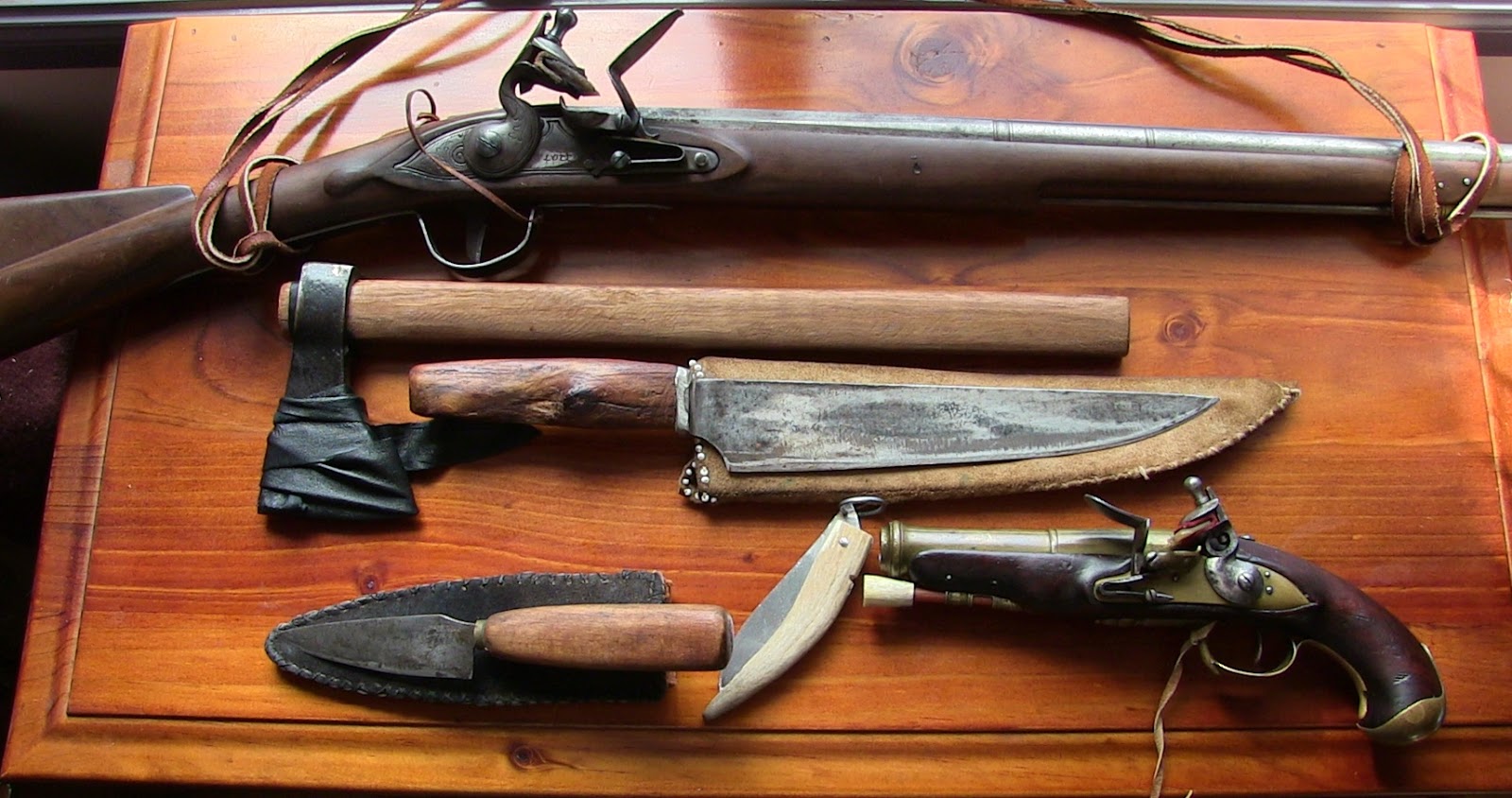
Tools for hunting & defence.

Shelter & bedding.
What Skills Will Allow You To Do & Not Do.
The debate regarding equipment versus skills is ongoing, in my
personal opinion, both are of equal importance. We are not just talking about survival;
we must also be concerned with our quality of life. Yes learning primitive
skills for long term survival are very important, but you have to think about
what these skills can provide you with & what they can’t. For instance, if
you need to cook a stew, then you need a fireproof container. You could
experiment making clay vessels, you can also use animal skins & use the hot
rock method. But how much easier is it to carry a metal kettle with you?
So why am I mentioning this? I am mentioning this because weight
matters if you have to carry it on your back when travelling on foot. There has
to be some compromise between two principles, minimum weight & maximum
self-reliance. When people are asked about the hunting tools/weapons, top of
the list is usually high powered breech-loading firearms. These are fine for
self-defence, but how practicle are they for long term survival? The larger the
caliber, the more the ammunition weighs, & the more space in your pack
it takes up. We need to prioritise, is it more important to carry a lot of
weight in modern ammunition? Or is it more important to carry more medical
equipment & supplies, vitamin supplements, more food & more water? If we are travelling alone, we can not
carry both.
If we are only carrying a modern firearm & we intend to use it
for hunting & defence, then the ammunition will not last long. We can of
course avoid a fire fight by keeping a low profile, & we can save on
ammunition by setting up a trap line for meat. But how secure will you feel
knowing that when your ammunition runs out, you will be left with nothing with
which to defend yourself or procure game? Your alternatives are: carrying an
air rifle, carrying a traditional bow & arrows, or carrying a flintlock
muzzle-loading gun/rifle & pistol. Another alternative for those in America
might be to carry a modern sidearm in combination with one of the
aforementioned hunting tools, or carry a bow & a modern firearm.
Weight is the all important factor, that & sustainability. Solid
form medications have a long shelf life, so we need to take advantage of this.
Dry foods too have a long storage capability & it is important that we
carry as much food as we can. Eventually we hope to be able to take the time to
forage for edible flora & hunt & trap game, but until that time comes,
we are on the move & we need to keep a low profile.
Can primitive skills supply you with medications? Yes of course they
can, but finding the herbs you need will not be easy, & especially so if
you are already feeling ill. We need to think about our well being, our
comfort. Any item that is sustainable & will make life easier is worth
carrying, within reason. Skills will enable you to make a survival bow &
arrows, but if you should ever come up against someone with a gun, you may have
some difficulty surviving. Something that people often fail to take into
account is the shock factor of a firearm, the noise & the impact of the
missile. A bow against a firearm can not deliver this.
Anyway, the purpose of this article is to make you think before you
leap. Think about the equipment you are going to carry & how it will best
benefit your survival physically & mentally. Learn all you can about
primitive skills, & if you plan to survive on your own retreat, then think
about the living skills you will need to keep things in good repair.
When it comes to transporting equipment on foot, you can use a hiking
trolley, but like all forms of transport from vehicles to animals, there will
always be a negative side. The tracks you will leave to be followed, the places
you can’t go, the noise you will make.
Monday, October 17, 2016
The cost & importance of learning. Clubs, Groups & Schools. Plus the advantages & disadvantages.

The cost & importance of learning, clubs, groups & schools.
Plus the advantages & disadvantages.
When it comes to long term survival, the skills start with choosing
the right clothing & equipment. After that you have to learn how to use
that equipment & you need to learn how to manage if you should lose that
equipment. Survival schools are generally expensive, this is because they have
to put in a lot of time teaching people the skills, & time cost money if
you are running a business. Some schools will teach you primitive skills,
others will not. Some schools will teach you how to survive if you get lost in
the bush, others may teach you how to survive long term. But it will all cost
you money.
Bushcraft groups are good & they will teach you some survival
skills. Again, some may promote the use of modern tools & equipment, where
as others may teach you more primitive skills. In general, you will pay a
yearly fee which is used to pay for your insurance cover. Survival groups fall
roughly into the same category as the bushcraft groups, a mixed lot which may
or may not teach you what you need to know. Basically it depends on the
individual members, some will be more knowledgeable than others, but in the
long run they can’t teach you what they don’t know themselves.
It is well known that in order to survive long term in a wilderness
situation, you will need to learn primitive skills, & your equipment &
tools will need to be low tech. Modern equipment is not made to last, batteries
will go flat, items will break & wear out. You need sustainable methods
& primitive gear. If you start off with pre 19th century
equipment you will never drop below that level of comfort. But if you start off
with all modern gear, then sooner or later you will be thrown back into the
stone age.
Now let’s look at another kind of club or group, an 18th
century living history group. Most again will charge a yearly membership fee,
& it must be said that not all living history groups are equal in the
benefits that they offer the survivalist. But, the potential for learning is
still there, you simply may have to put in more effort to gather some members
together who have the skills that you need to learn.
Our group, the New England Colonial Living History Group does not
charge any membership fees or training fees, it is all free. However, we do not
carry any insurance either, our members are covered by the Civil Liability
Amendment (Personal Responsibility) Bill 2002. For many years I payed for
our group insurance out of my own pocket so that lower income families could
afford to join our group. Eventually, I had to stop paying out of my own pocket
(there never were any accidents or insurance claims). When you think about it
we go with groups of friends out bush for various recreational activities,
& no one ever questions if there is insurance cover. We all take personal
responsibility for ourselves, & we watch out for the safety of others.
The advantages of joining a group like ours is that our activities
cover a wide range of interests. We can advise on equipment & clothing,
& we teach people all the skills they may need for free. Individuals do not
have to participate in any activity if they do not wish to, but remember, in a
shtf situation, there will be NO insurance, NO doctors & NO hospitals. If
you want to cover yourself, use your money to purchase a good modern medical
kit & take it to group meetings. Also carry a personal first aid kit in
your pack. That way if you cut yourself or smack yourself in the head whilst
learning archery, you can patch yourself up & keep going.
Kids in general love participating in living history. It is an
opportunity to do something which is fun & educational & they get to
share this experience with there parents or carers. In shooting clubs, archery
clubs & fishing clubs you will learn only so much, very little of what you
do learn will prepare you for survival. In a group like ours though you get to
learn everything; you learn what is the best equipment & how to use it. You
learn how to repair your equipment & in the case of archery & fishing,
you learn how to make your own from scratch with no modern tools.
Some living history groups have splinter groups such as a militia
group where you can learn battle tactics. Some groups are purely Ranger groups
& again, battle training is a normal part of their activities on top of all
the other skills you can learn. All Living History groups are family oriented,
so all the family gets to join in one way or another. On top of all this
learning & training, living history groups are a lot of fun. If you are
serious about long term wilderness survival, I recommend you inquire in your
area for a living history group, be it medieval period or 18th
century or somewhere in between.
Keith.
Keith.
Our Group's Official Forum: http://eighteenthcenturylivinghistory.freeforums.org/
You will also find links to other groups in other areas & countries on our forum.
Saturday, September 17, 2016
Animal Parts Use Image.
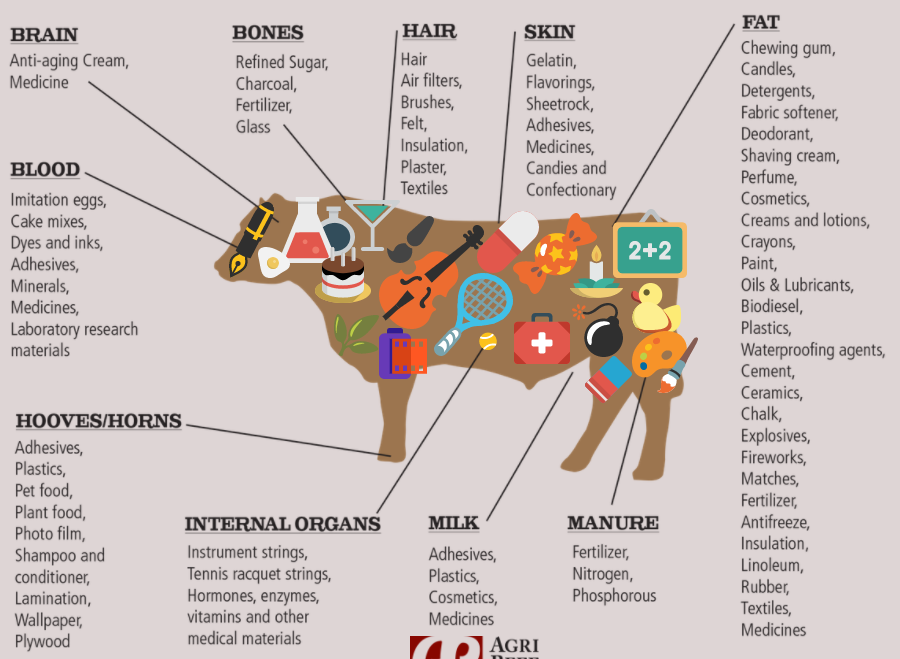
Don't forget the brains can be used to brain tan animal skins. Bones can be used to make tools, spear & arrow points. Horns for containers; powder horns, tinder horns, grease horns, cups & other vessels. Tendons for bow strings & cordage. The hide for making many leather items & for making hide glue.
Saturday, August 6, 2016
Failed New Australian Survival Forum. But Old One Still Exists.

Because I was not satisfied with present survival forums I attempted to start one myself. This failed miserably. Simply put not enough people were really interested in the forum, even though I bent over backwards to make it interesting & supplied plenty of choices on subjects. It was primarily a Primitive Survival forum, although modern equipment was not left out. Even so I think that most survival preppers & survivalists are not really serious about survival, they like the idea, but are not prepared to go the extra distance. Camping & playing at survival is fun, but this will not get you through a serious shtf situation.
If you can't think of anything more important to carry than modern battery operated equipment & multi-tools along with a ferocerium rod for fire lighting, then in a long term wilderness survival/living situation you are going to be in a lot of trouble. How long do you think this modern equipment will last? What will you do when your hiking boots come apart at the seems? What you need is equipment & methods that are sustainable & to a point renewable, & you need to have skills.
Modern medical supplies & equipment are a priority, no argument there. Modern firearms if they are only used for defence & you can afford to carry them without compromising your ability to hunt are also fine. But if you are only going to carry a modern firearm for hunting & defence, then you will not only need to carry a lot of ammunition, but you will also be putting all your eggs in one basket!!!
If you are serious about survival, if you think there is a possibility that a TEOTWAWKI situation may arise in Australia, then I suggest you check out our forum "The Survival Connection" on our group's 18th century Living History forum at: http://eighteenthcenturylivinghistory.freeforums.org/ We have some good people on this forum, knowledgeable people from all over with whom you can share your knowledge & learn from.
Regards, Keith.
Advantages of Prepping With an 18th Century Living History Group.

Advantages of Prepping With an 18th Century Living History
Group.
· Participating
in living history activities is fun & educational.
· Children
love living history activities & are able to share the experience with
their parents.
· Children
who participate in Historical Trekking become used to carrying their own
equipment & getting ready for the trek. IF a shtf situation should arise,
the child knows what to do to get ready to leave, no fuss & no worries.
· As
a group member you can train with the local militia which is completely legal
& does not attract unwanted attention.
· You
can learn many primitive living & survival skills including flint, steel
& tinderbox fire lighting.
· You
can use a variety of period items & learn how to make your own clothing
& equipment.
· You
can learn muzzle-loading, archery, sword fighting & tomahawk throwing.
· You
can participate in historical treks & get to actually use your equipment.
In this way you are able to choose the right equipment to suit your needs &
you will know that it all works.
· You
will learn to set up an oilcloth shelter & construct other primitive
shelters.
· Lone
wolves can still take advantage of group membership either by learning from the
group instructors, or by participating on the group’s internet forum.
This is the New England Colonial Living
History Group 1680-1760 forum address if you are interested: http://eighteenthcenturylivinghistory.freeforums.org/
Subscribe to:
Posts (Atom)